
The Benefits of Switching to Organic Skincare Products
Switching to organic skin care products isn’t just a trendy beauty move — it’s a smart choice for your skin, wallet, and the planet. This guide is perfect for those who are tired of harsh chemicals irritating their skin, eco-conscious consumers who want to reduce their environmental impact, and beauty enthusiasts ready to invest in products that actually work.
Your skin deserves better than synthetic additives and questionable preservatives. Organic beauty products offer a gentle approach that works with your skin’s natural processes rather than against them.
We’ll explore how natural ingredients for the skin can change your complexion and why chemical-free skin care often gives better results than conventional products. You’ll also learn how sustainable skin care options help protect the environment while supporting ethical manufacturing practices. Finally, we’ll analyze the long-term cost benefits of investing in quality organic skin care products that last longer and work more effectively than their chemical-laden counterparts.
Healthier Skin Through Natural Ingredients
Reduced Exposure to Harmful Chemicals and Toxins
Conventional skin care products often contain synthetic chemicals like parabens, sulfates, and phthalates that can disrupt your skin’s natural balance. These harsh ingredients can cause more harm than good over time, potentially causing dryness, inflammation, and even hormonal disruption. Organic skin care products eliminate these concerns by using plant-based options that work with your skin instead of against it.
Chemical-free skin care means you’re avoiding potentially toxic elements from accumulating in your system. Many synthetic preservatives and fragrances found in conventional products have been linked to skin sensitivity and long-term health problems. When you choose natural skin care products, you are giving your skin a chance to breathe and function optimally without the interference of artificial additives.
Gentler Formulations for Sensitive Skin Types
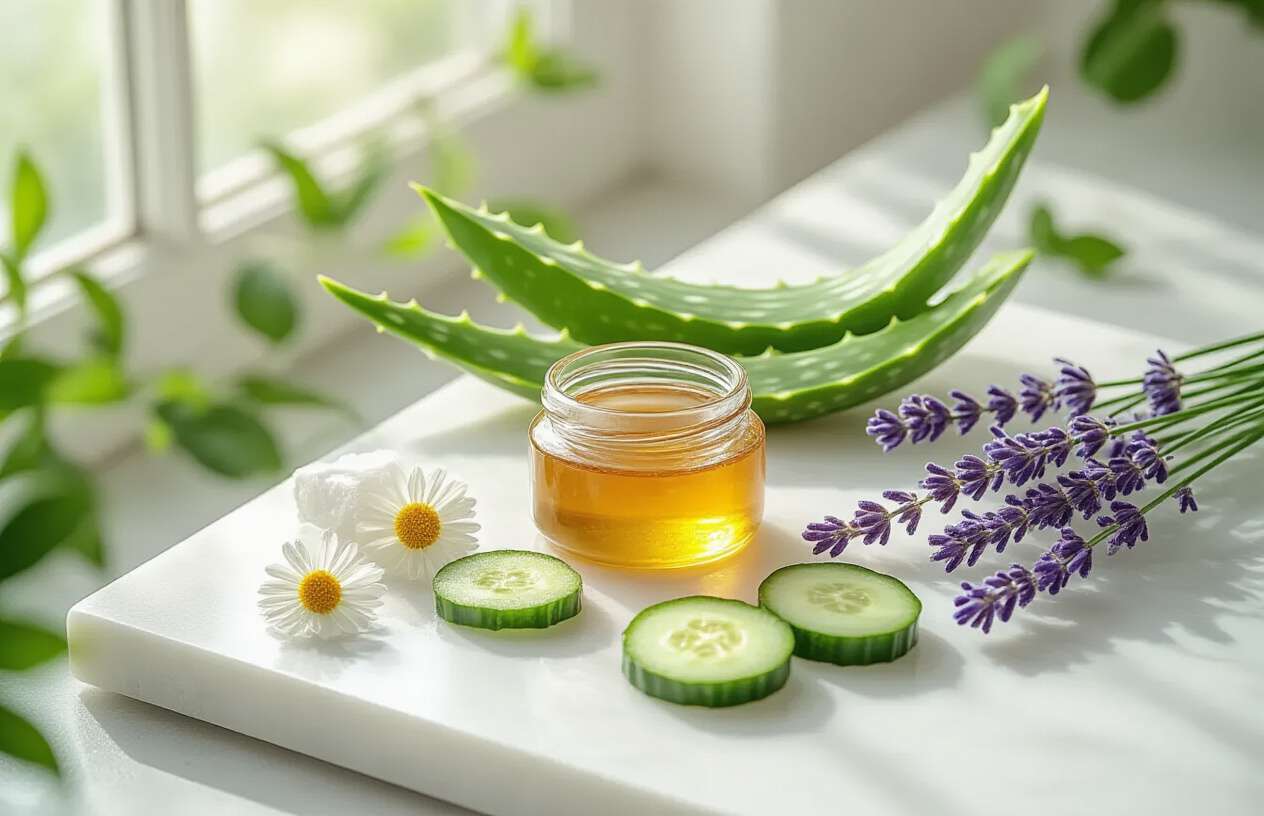
People with sensitive skin often struggle with traditional beauty products that cause redness, irritation, or a rash. Organic beauty products typically use mild ingredients that respect your skin’s natural pH balance. Plant-based extracts like chamomile, aloe vera, and calendula provide soothing properties without the harshness of synthetic alternatives.
The absence of artificial fragrances and colors in organic formulations makes them ideal for people with reactive skin. These products focus on delivering results through gentle, time-tested natural ingredients that have been used for centuries to promote skin health.
Enhanced Skin Barrier Protection and Repair
Your skin barrier acts as your first line of defense against environmental damage and moisture loss. Organic ingredients like jojoba oil, shea butter, and ceramides from natural sources help strengthen this protective barrier more effectively than synthetic alternatives.
Sustainable skin care products rich in antioxidants from sources like green tea, vitamin E, and rosehip oil actively repair damage while preventing future damage. These ingredients work synergistically to maintain the integrity of your skin, promoting faster healing and better overall elasticity.
Lower Risk of Allergic Reactions and Irritation
Simpler ingredient lists in organic products mean fewer potential allergens touching your skin. Without synthetic fragrances, artificial colors, and harsh preservatives, your chances of experiencing adverse reactions are significantly reduced. This makes organic skin care routines especially beneficial for people with conditions like eczema, rosacea or general skin sensitivity.
Natural formulations are more biocompatible with human skin, reducing the chance of inflammation or contact dermatitis that can occur with synthetic ingredients.
Environmental Impact and Sustainability

Reduced Pollution from Chemical Manufacturing Processes
The production of conventional skincare products creates a significant environmental burden through toxic chemical releases and energy-intensive manufacturing. Synthetic ingredients like parabens, sulfates, and phthalates require complex industrial processes that generate harmful byproducts, including volatile organic compounds (VOCs) and heavy metals that contaminate air and soil.
Organic skincare products take a different approach entirely. Their manufacturing relies on plant-based extraction methods and minimal processing techniques that dramatically reduce industrial waste. Instead of petroleum-derived chemicals, organic beauty products use botanical extracts obtained through steam distillation, cold pressing, and gentle solvent-free methods. These processes consume less energy and produce virtually no toxic emissions compared to synthetic chemical production.
The carbon footprint difference is remarkable. Studies show that organic ingredient production generates up to 70% fewer greenhouse gas emissions than conventional chemical manufacturing. This reduction comes from shorter supply chains, renewable energy use in organic facilities, and the absence of energy-intensive synthetic compound creation.
Biodegradable Ingredients that Protect Waterways
When you wash off conventional skincare products, synthetic chemicals like microplastics, silicones, and preservatives flow directly into water systems where they persist for decades. These substances accumulate in rivers, lakes, and oceans, creating toxic environments for aquatic life and contaminating drinking water supplies.
Chemical-free skincare products contain naturally biodegradable components that break down safely within weeks of entering water systems. Plant oils, botanical extracts, and mineral-based ingredients decompose through natural bacterial processes without leaving harmful residues. Essential oils, vegetable glycerin, and natural waxes completely dissolve in water treatment facilities, unlike their synthetic counterparts.
The impact on marine ecosystems is profound. Conventional skincare chemicals disrupt hormone systems in fish and amphibians, while plastic microbeads accumulate in ocean food chains. Sustainable skincare eliminates these threats entirely, allowing waterways to maintain their natural balance and supporting healthy aquatic ecosystems.
Sustainable Farming Practices that Preserve Soil Health
Organic ingredient cultivation follows regenerative agricultural principles that actually improve the land over time. Organic farms avoid synthetic pesticides, herbicides, and fertilizers that deplete soil nutrients and kill beneficial microorganisms. Instead, they use crop rotation, composting, and natural pest management techniques that build soil fertility and support biodiversity.
Eco-friendly beauty products source ingredients from farms that practice:
- Cover cropping to prevent erosion and add nitrogen naturally
- Integrated pest management using beneficial insects instead of chemicals
- Water conservation through drip irrigation and rainwater harvesting
- Pollinator protection by maintaining wildflower borders and avoiding bee-toxic treatments
These methods create thriving agricultural ecosystems where soil carbon increases year after year. Healthy soil acts as a carbon sink, helping combat climate change while producing nutrient-dense plants for natural skincare ingredients. The result is a positive environmental cycle where beauty product consumption actually supports ecological restoration rather than degradation.
Organic farming also preserves genetic diversity by growing heirloom plant varieties that might otherwise disappear from commercial agriculture. This biodiversity ensures resilient crop systems and maintains the full spectrum of beneficial compounds found in traditional medicinal plants.
Long-Term Cost Effectiveness

Concentrated Formulas Requiring Smaller Amounts Per Use
Organic skincare products pack serious punch in small packages. These formulations typically contain higher concentrations of active ingredients compared to their conventional counterparts, which means you need just a tiny amount to get the job done. A single pump of organic serum or a dab of natural moisturizer often delivers the same benefits as double the amount of mass-market products.
Take organic face oils, for example. While synthetic lotions might require several pumps to properly hydrate your skin, two to three drops of a quality organic oil can cover your entire face. The same principle applies to organic cleansers – their plant-based surfactants are gentler yet more effective, so you use less product per wash while achieving better cleansing results.
This concentration factor means that bottle of organic skincare that seems expensive upfront actually lasts much longer than expected. Many users discover their organic products stretch two to three times longer than conventional alternatives, making the cost per use surprisingly reasonable.
Reduced Need for Additional Treatments and Medications
Chemical-free skincare often eliminates the need for expensive dermatological interventions. Conventional products frequently contain harsh ingredients that can trigger sensitivity, breakouts, or allergic reactions, leading to costly trips to the dermatologist and prescription treatments.
Natural skincare benefits include their gentle yet effective approach to common skin concerns. Instead of causing irritation that requires medical attention, organic beauty products work with your skin’s natural processes to prevent problems before they start. Many people find their acne clears up, their rosacea calms down, and their eczema becomes manageable simply by switching to gentler, plant-based formulations.
The anti-inflammatory properties found in many organic ingredients help reduce skin reactivity over time. Ingredients like chamomile, calendula, and green tea naturally soothe irritated skin, reducing the likelihood of flare-ups that might otherwise require professional treatment or prescription medications.
Prevention of Skin Damage That Requires Costly Interventions
Organic anti-aging products excel at prevention rather than correction. While conventional products often focus on quick fixes that may provide temporary results, natural ingredients work to prevent the underlying damage that leads to premature aging, sun spots, and texture issues.
Antioxidant-rich organic formulations protect against environmental damage daily, reducing the likelihood of needing expensive procedures like chemical peels, laser treatments, or injectable treatments later in life. Plant-based ingredients like vitamin C from acerola cherry, resveratrol from grapes, and vitamin E from wheat germ oil create a protective barrier against free radical damage.
The gentle nature of organic skincare also prevents the over-exfoliation and barrier damage that aggressive conventional treatments can cause. When your skin barrier remains intact and healthy, you avoid the cycle of damage and expensive repair treatments that many people experience with harsh chemical products.
Multi-Purpose Products That Replace Several Conventional Items
One of the smartest financial aspects of switching to organic skincare products is their versatility. Many natural ingredients serve multiple functions, allowing single products to replace entire cabinet shelves of specialized conventional items.
A high-quality organic face oil can function as a moisturizer, makeup remover, hair treatment, and cuticle softener. Natural ingredients like jojoba oil, rosehip oil, and argan oil adapt to different skin needs without requiring separate products for each concern. Similarly, organic shea butter works as body lotion, lip balm, hair mask, and even makeup primer.
Clay-based organic masks often combine cleansing, exfoliating, and purifying benefits in one product, eliminating the need for separate scrubs, pore strips, and detox treatments. Plant-based cleansers frequently remove makeup while cleansing, reducing the need for dedicated makeup removers.
This multi-functionality means fewer products cluttering your bathroom and less money spent on specialized items that serve single purposes. Many organic skincare enthusiasts find their entire routine condenses from 8-10 products down to 3-4 versatile, natural alternatives that deliver superior results while saving both money and storage space.
Superior Anti-Aging and Nourishing Properties
Potent antioxidants from natural botanical extracts
Organic anti-aging products harness the incredible power of plant-based antioxidants that have been protecting vegetation from environmental damage for millions of years. Green tea extract delivers catechins that neutralize free radicals more effectively than many synthetic compounds, while pomegranate seed oil provides punicalagins that actively repair cellular damage. Rosehip oil contains natural vitamin C in its most bioavailable form, working alongside other plant compounds to brighten skin and reduce fine lines.
The beauty of these botanical extracts lies in their synergistic nature. When you apply organic skincare products containing multiple plant extracts, you’re getting a cocktail of complementary antioxidants that work together. Grapeseed extract teams up with green tea to create a protective barrier against UV damage, while elderberry and acai berry extracts deliver anthocyanins that keep skin looking youthful and radiant.
Essential vitamins and minerals for cellular regeneration
Natural skincare benefits become evident when your skin receives the full spectrum of nutrients it needs for optimal cellular turnover. Organic beauty products deliver vitamins A, C, and E in their natural forms, which your skin recognizes and absorbs more readily than synthetic versions. Sea buckthorn oil provides vitamin C alongside rare omega-7 fatty acids, creating an ideal environment for collagen production.
Mineral-rich ingredients like sea salt, clay, and algae extracts supply zinc, magnesium, and selenium directly to skin cells. These minerals act as cofactors in enzymatic processes that repair damaged tissue and generate new, healthy cells. Dead Sea minerals have shown remarkable ability to accelerate healing and reduce inflammation, while pink clay gently draws out impurities while delivering iron and other trace minerals.
Natural oils that deeply moisturize without clogging pores
Chemical-free skincare relies heavily on plant oils that match your skin’s natural sebum composition. Jojoba oil technically isn’t an oil at all – it’s a liquid wax that mimics your skin’s natural oils so perfectly that it can actually regulate oil production. This makes it perfect for all skin types, including acne-prone skin that needs moisture without the risk of breakouts.
Argan oil delivers essential fatty acids that repair the skin barrier while its lightweight texture absorbs quickly without leaving a greasy residue. Squalane, derived from olives or sugarcane, provides intense hydration that penetrates deep into skin layers without clogging pores. These natural oils work with your skin’s biology rather than against it, creating long-lasting moisture that doesn’t interfere with your pores’ natural function.
Ethical and Cruelty-Free Manufacturing

Support for brands committed to animal welfare
When you choose organic skin care products, you are supporting companies that refuse to test on animals. These cruelty-free skin care brands have made a clear commitment to developing products without harming innocent creatures. Many organic beauty companies go even further than avoiding animal testing – they actively support animal welfare organizations and promote humane practices throughout their business model.
The difference becomes apparent when you compare traditional beauty giants to smaller organic skin care brands. While large corporations often rely on third-party testing or outsource it to countries where animal testing is legal, biological companies typically use alternative testing methods such as in-vitro testing, computer modeling, and human patch testing. This approach proves that effective, safe products can be developed without causing suffering to animals.
Fair trade practices benefiting farming communities
Organic skin care products often source ingredients through fair trade partnerships that directly benefit farming communities around the world. When you buy chemical-free skin care made with fair trade botanicals, you’re supporting farmers who receive fair wages for their crops and work in safe, sustainable conditions.
These partnerships create lasting positive impacts in the regions where ingredients like shea butter, argan oil and various plant extracts are produced. Fair trade certification ensures that farming families can afford health care, education for their children, and improvements in their communities. Many organic beauty brands also invest in infrastructure projects, clean water initiatives and agricultural training programs in these areas.
Transparent ingredient sourcing and production methods
Organic skincare companies typically embrace transparency in ways that conventional beauty brands rarely match. They openly share where ingredients come from, how they’re processed, and what goes into every product. This transparency extends to their manufacturing processes, allowing consumers to understand exactly what they’re putting on their skin.
Many skincare products feature detailed information about ingredient origins, processing methods, and even the specific farms or regions where botanicals are grown. This level of openness builds trust and allows consumers to make informed decisions about their natural skincare routine.
Alignment with personal values and conscious consumerism
Choosing sustainable skin care creates harmony between your personal values and daily beauty routine. When your skin care choices reflect your ethical beliefs, you experience satisfaction knowing that each product application is consistent with your commitment to environmental protection, animal welfare and social responsibility.
This alignment goes beyond personal satisfaction – it contributes to the growing movement of conscious consumerism that is reshaping the beauty industry. As more people choose eco-friendly beauty products, companies respond by improving their practices, creating a positive cycle that benefits everyone involved.
conclusion
Making the switch to organic skincare isn’t just about following trends – it’s about making a smart choice for your skin, your wallet, and the planet. Natural ingredients work with your skin instead of against it, giving you that healthy glow while reducing irritation and long-term damage. Plus, you’re supporting companies that care about the environment and treat animals ethically.
The investment may seem higher initially, but organic products often last longer and produce better results, saving you money in the long run. Your skin will thank you for the gentle, nourishing care, and you’ll sleep better knowing that your beauty routine aligns with your values. Are you ready to give your skin care routine a natural upgrade? Start with one or two organic products and see the difference for yourself.